
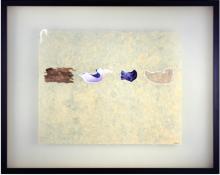
No name
Series Breathing
Handmade paper and paper clipping, 58 x 73 cm, 2011
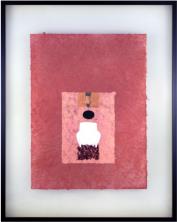
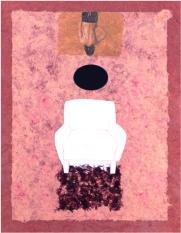
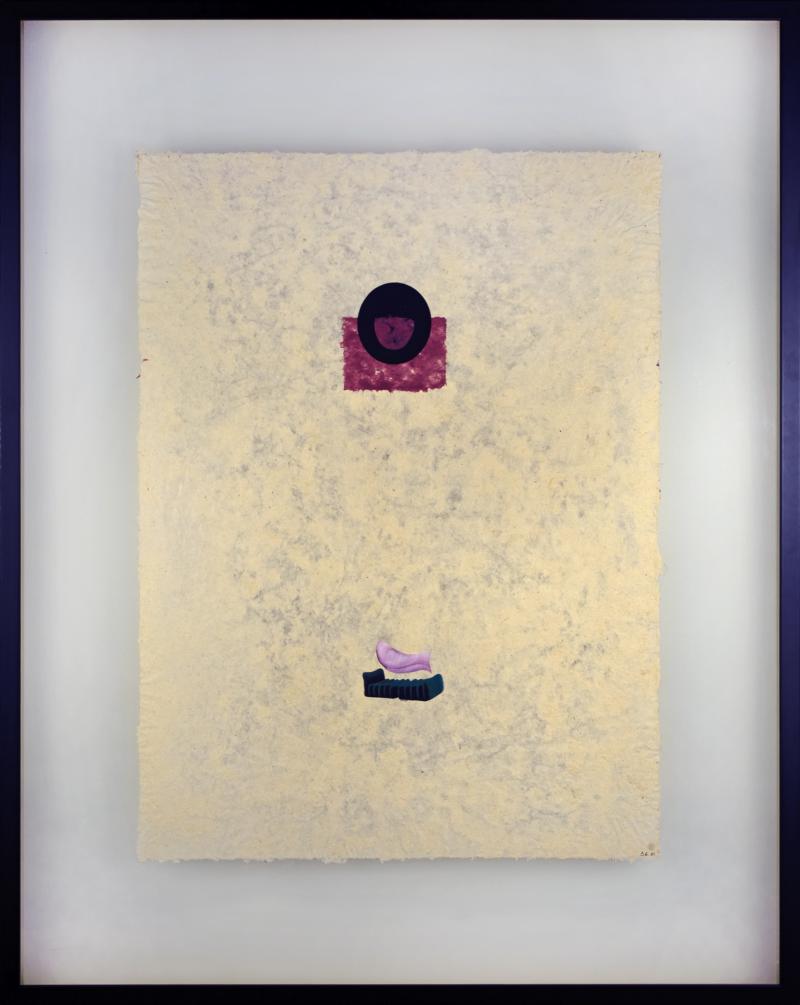
Out of Sync
Series Body
Handmade paper and photo, 99 x 79 cm, 2011
Rest
Series Body
Handmade paper, paper, and paper clipping,
79 x 99 cm, 2011
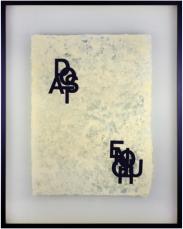
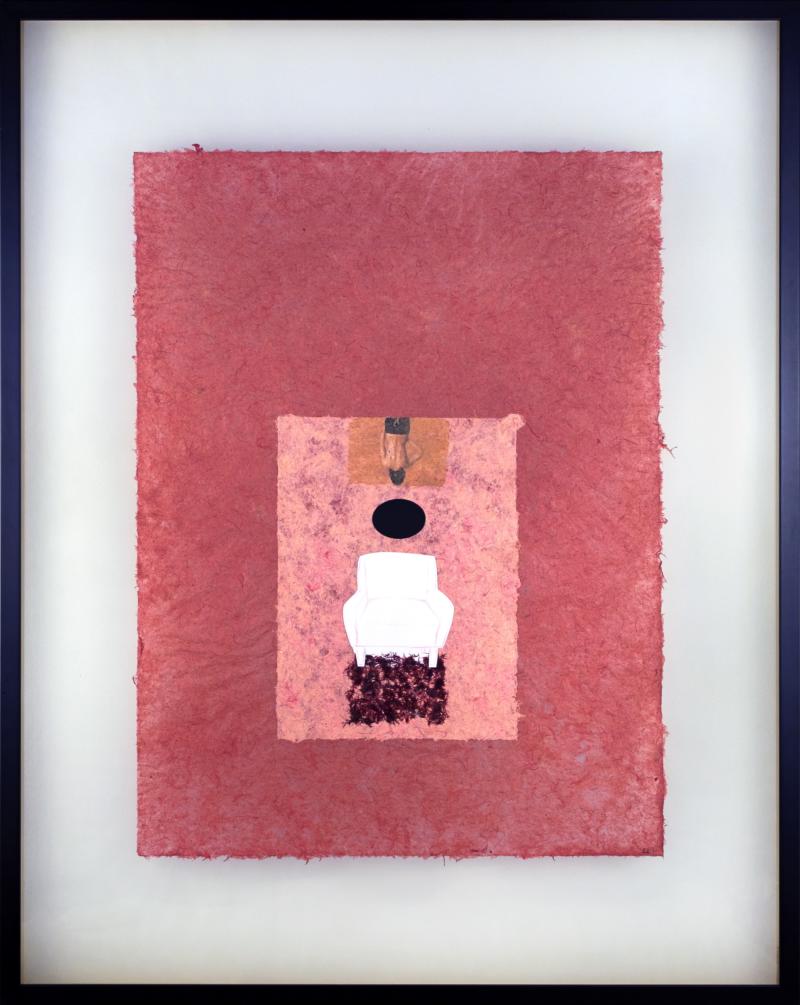
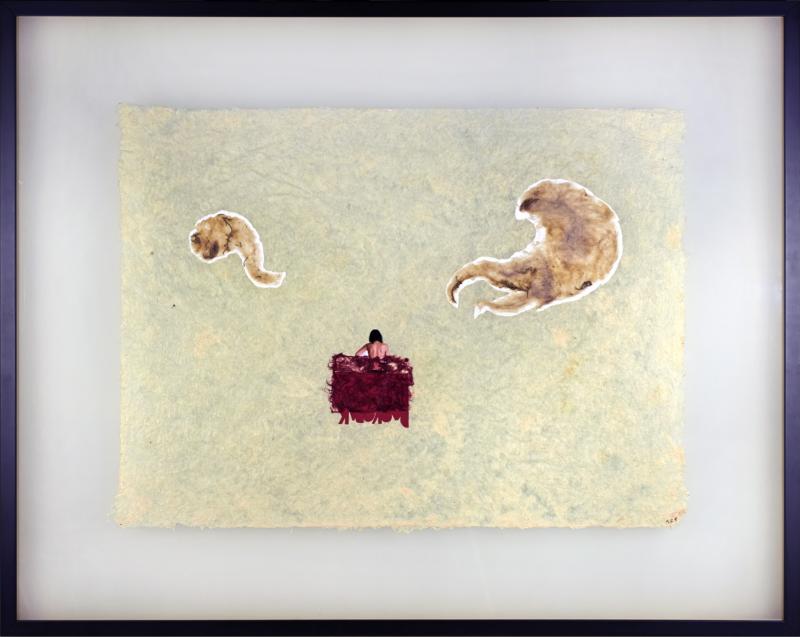
Even If I Fell Over Backwards
Series Body
Handmade paper, photo, and paper,
79 x 99 cm, 2011
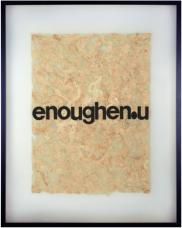
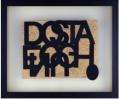
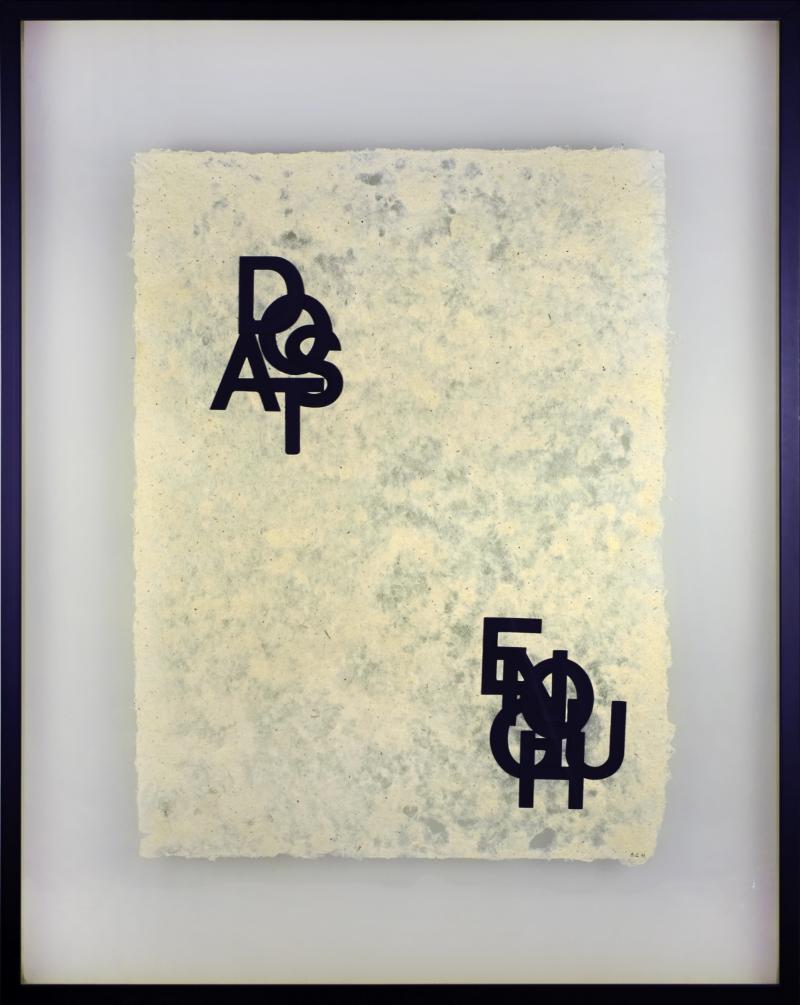
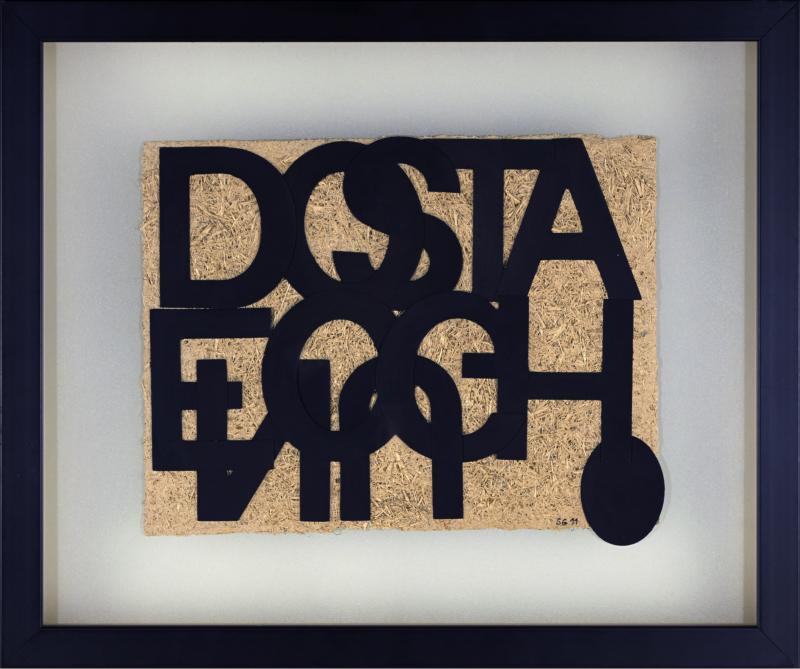
Dosta (Serbian) - Enough (English) I
Series The Mirror
Handmade paper and paper, 79 x 99 cm, 2011
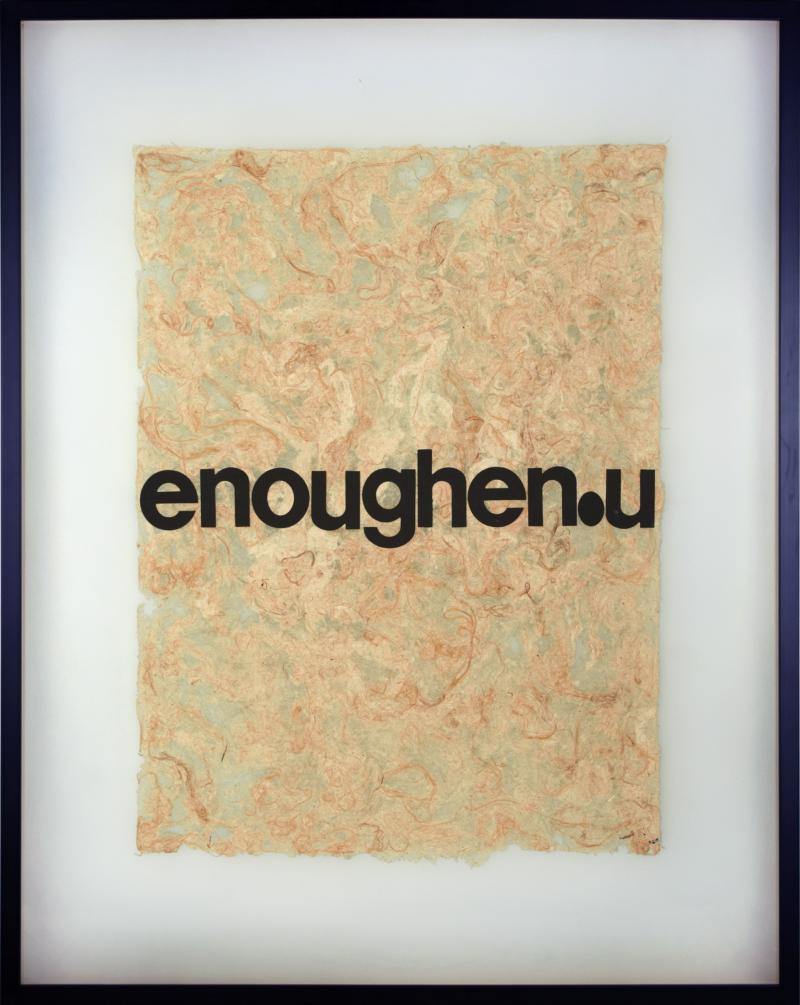
Enough
Series Breathing
Handmade paper and paper, 79 x 99 cm, 2011
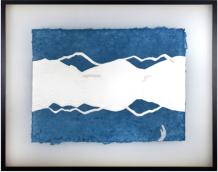
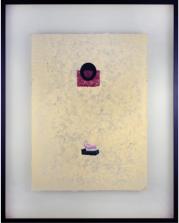
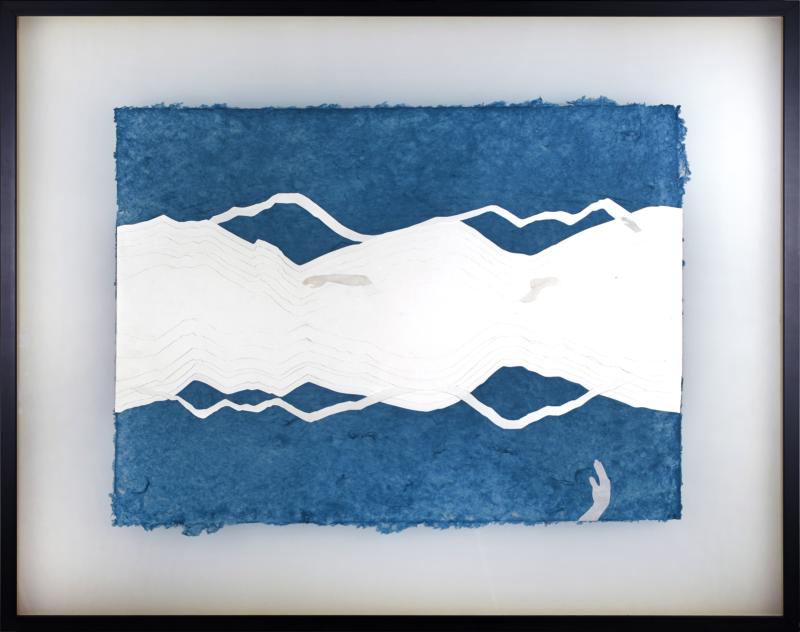
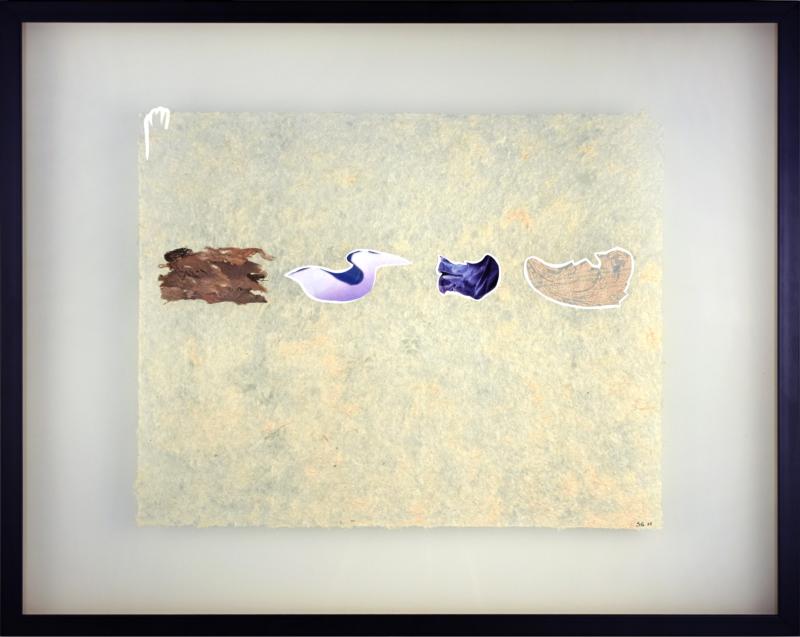
In Passing
Series Breathing
Handmade paper and paper, 99 x 79 cm, 2012
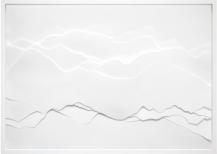
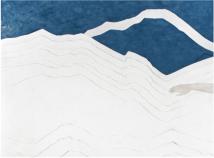
Light Catcher II
Series Breathing
Paper, 103,5 x 72 cm, 2012
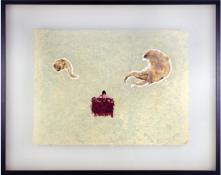
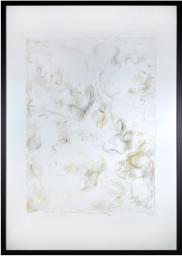
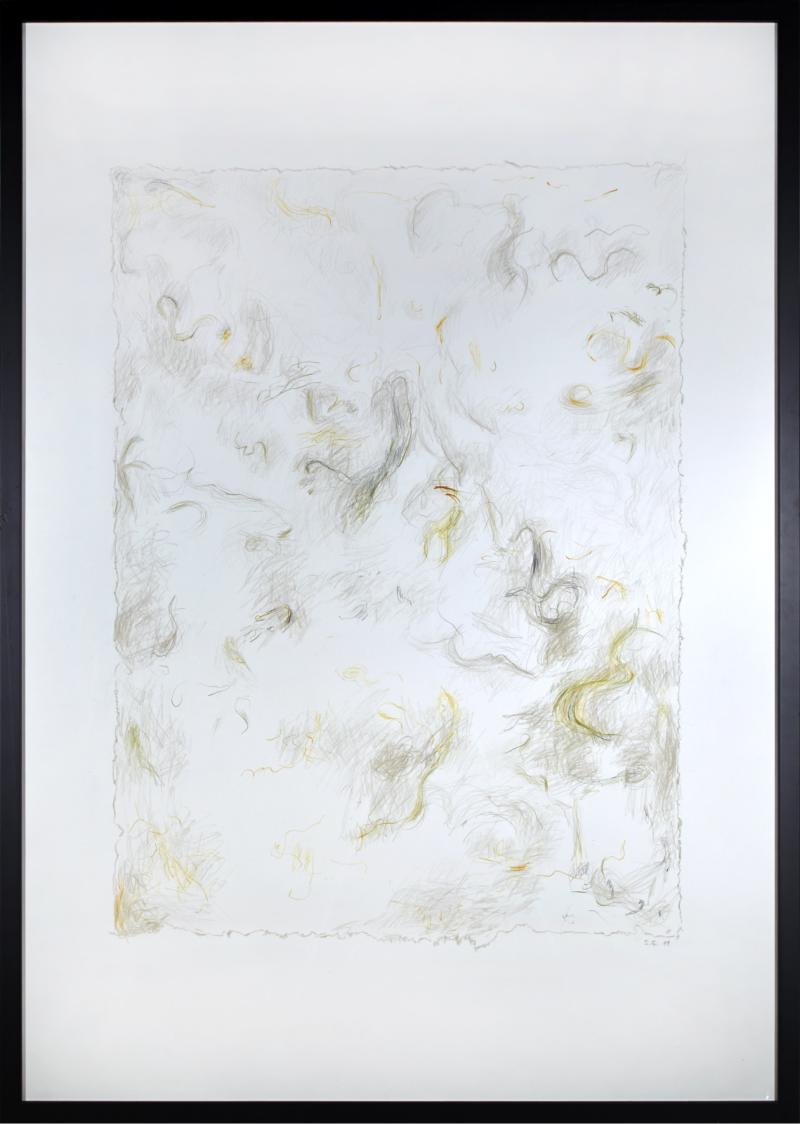
No name
Series Breathing
Drawing, pastel, 70 x 100 cm, 2011
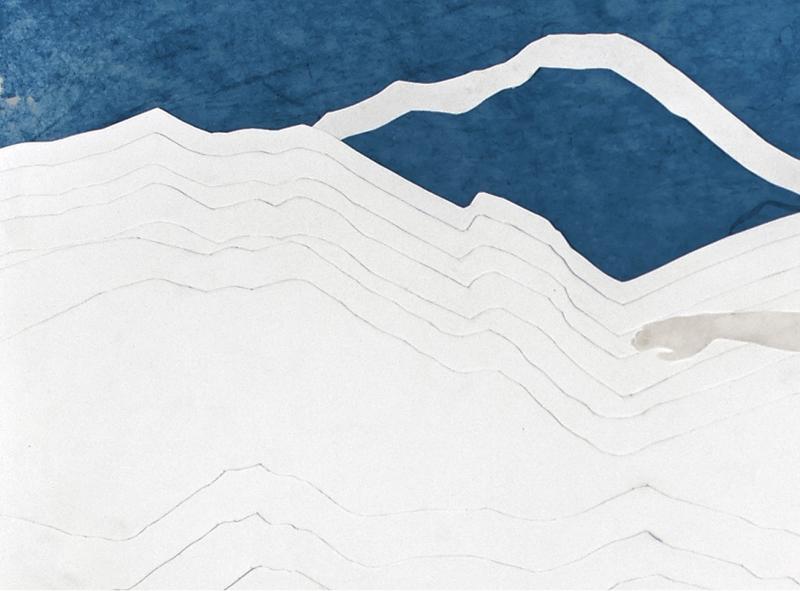
In Passing
Detail
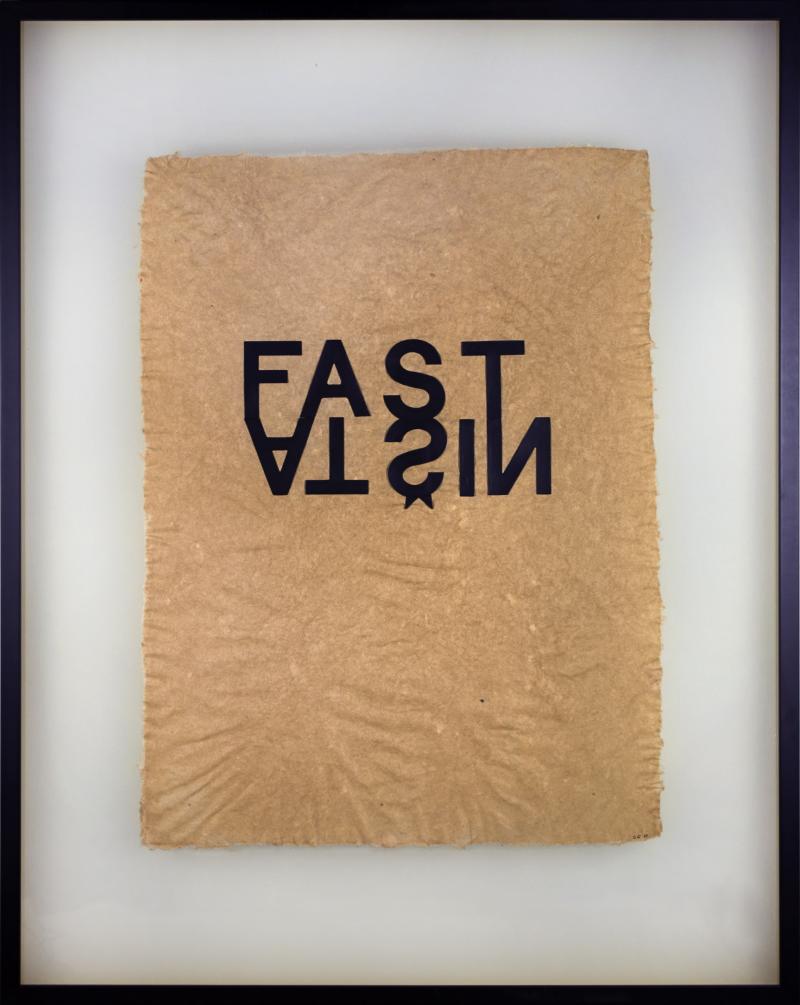
Dosta (Serbian) - Enough (English) II
Series The Mirror
Handmade paper and paper, 37,5 x 31,5 cm, 2011
In the Mirror
Series The Mirror
Handmade paper and paper, 79 x 99 cm, 2011
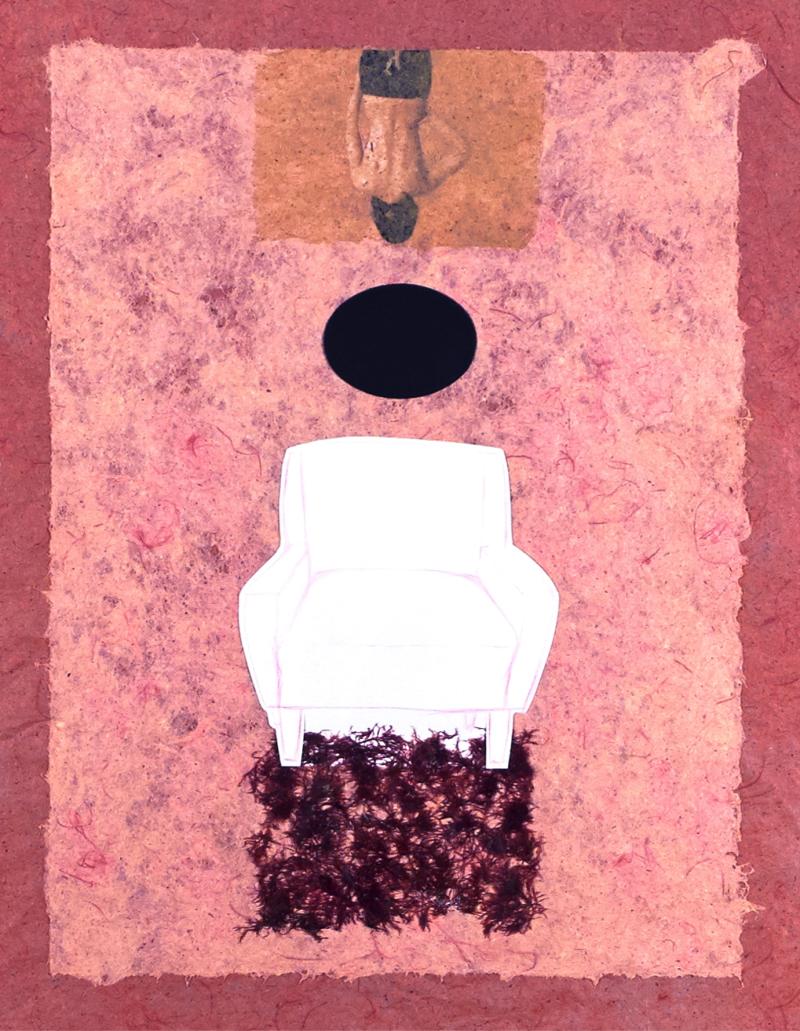
Even If I Fell Over Backwards
Detail
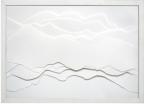
Light Catcher I
Series Breathing
Paper, 53 x38,5 cm, 2011















 Breathing
Body
Mirror
Breathing, Body, and Mirror are three series of my new material, which deal with
three questions that have been the most important ones to me in the past several
years. Still, all of these series are, in a way, components of Breathing – my need for
breathing/living in a different way, at a slower pace and in different surroundings.
This group of works is my attempt to tackle the frustrations I live with, which other
people cope with in a variety of ways, and the ability/inability of accepting reality.
Works from the series Body refer to the limitations I have been confronted with after
I’ve been in a car accident and to my efforts in adjusting to the new situation. Aging
is also a process that brings the same kinds of challenges; the accident was just an
unpleasant addition.
Works from the series Mirror are a continuum of Equivalents (2004), my previous
group of works. Equivalents were my attempt to connect different spaces of Greece
and Serbia, as well as to make a comparison between my life in Athens and the one in
Belgrade. As much as there is no such thing as true comparison, it is in human nature
to try to find equivalents for places that fulfill us. Works from series Mirror ironically
suggest that any effort to draw near to differences is futile. Texts in two different
languages do not allow symmetry and do not mirror one another. I work in an
international setting and use both Serbian and English on a daily basis, which is why I
have chosen to present the series in this way. The choice of the text is my mantra
(Enough!), an attempt to slow down the insane pace of my life. With these works, I
ask myself what it is that I stand to gain or to lose by living my life the way I do. If I
believe that more is less, trying to do too many things in a short time span would
become my loss. Enough means that I have had enough, but it also refers to the
quantity of material I need to achieve a desired effect – the amount of light I need
for the final result. The different quantities of material for paper making, the ways of
processing plants and placement of fibers give me an infinite number of possibilities.
Experimenting with plants while making handmade paper takes a lot of time, which I
don’t have, and therefore every piece of handmade paper symbolizes both my
frustration and gratification. Frustration - because I rarely have five hours daily to
spare for my work, and gratification - because that is my time for solitude. Enough
also refers to my constant reexamination of how much I am a part of life that
surrounds me, how much socialization I actually need, and how much of that time is
spared for what others demand of me. Is it good for me to take in my surroundings,
how much should I be a part of day-to-day reality, how much should I allow myself to
be irrational, so that I can remain present enough? Is my enough really sufficient?
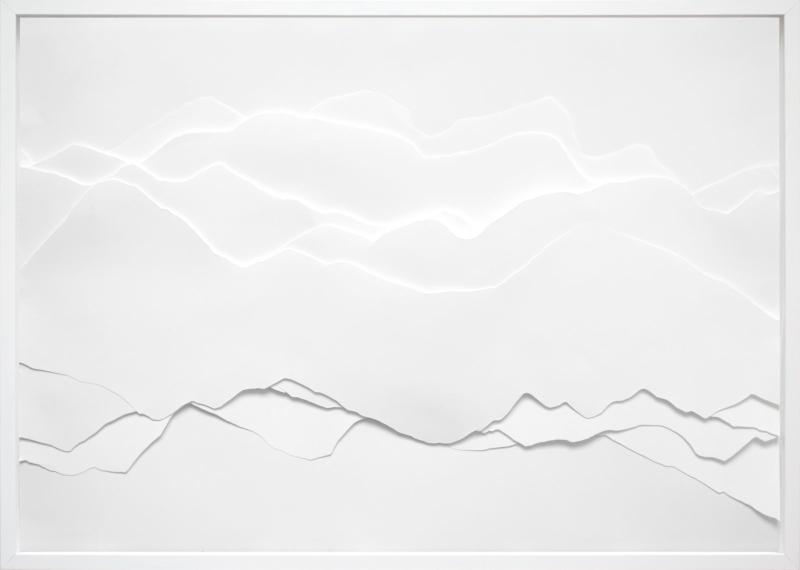
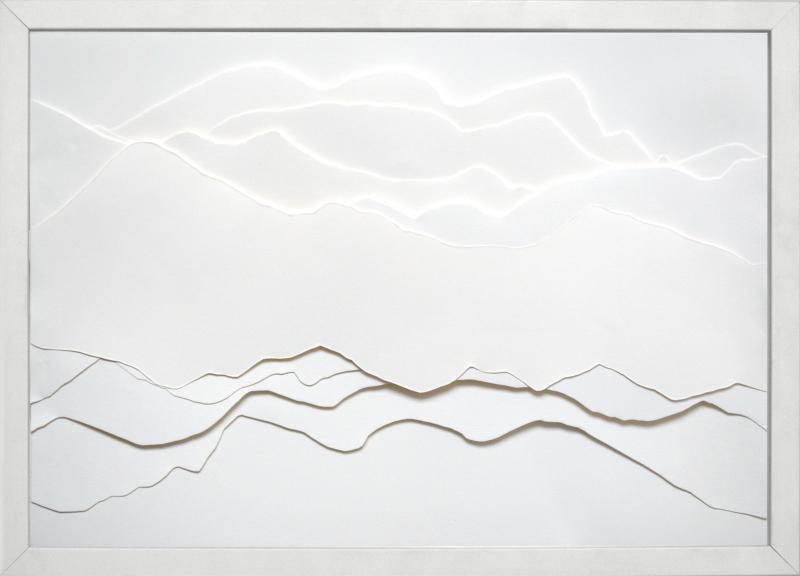
Works from the series Breathing are ideal spaces that I make for myself. They offer
solitude, necessary for me, and they have a rhythm of going through different spaces
that have deeply surprised me with their silence. I accomplish rhythm and produce
light with layers of paper in different shapes, which overlap and often have slight
gaps in-between. Since I lacked appropriate material for paper making (the plants I
collected in Greece for making handmade paper), it has been a huge challenge to me
to produce similar, subtle results with industrial paper. I made these works based on
photographs I took in different places, and reduced them to a minimum, purged of
anything redundant. In some way, these pieces represent much more of a reality to
me than any movement through actual urban or non urban space. Rhythm, lack of
color, and light are a direct extension of my classes. Since I teach children elements
and principles of art and design, I needed to deal with these things on a different
level - without the color theory and different kinds of lines. I needed to draw with
cut-out paper shapes and create a space with them. The absence of color relaxes my
mind. That is my ‘sofa at the shrink’s’ of sorts. Art history is an essential part of most of
my classes, and many pieces by famous artists are what sparks the beginnings of my
thoughts about these works. They cannot be identified in the final product. Responding to
art history is just another thing I need distance from in my studio.
Drawing No name is my attempt to make/draw handmade paper by using simple
resources. I draw a lot with my students. I work with children and try to adjust my
drawing in class to respond to their needs and abilities. I needed to prove to myself
that I haven’t forgotten how to draw.
Svetlana Spasic Glid
Pieces of art created on or using industrially produced paper or paper hand made by
Breathing
Body
Mirror
Breathing, Body, and Mirror are three series of my new material, which deal with
three questions that have been the most important ones to me in the past several
years. Still, all of these series are, in a way, components of Breathing – my need for
breathing/living in a different way, at a slower pace and in different surroundings.
This group of works is my attempt to tackle the frustrations I live with, which other
people cope with in a variety of ways, and the ability/inability of accepting reality.
Works from the series Body refer to the limitations I have been confronted with after
I’ve been in a car accident and to my efforts in adjusting to the new situation. Aging
is also a process that brings the same kinds of challenges; the accident was just an
unpleasant addition.
Works from the series Mirror are a continuum of Equivalents (2004), my previous
group of works. Equivalents were my attempt to connect different spaces of Greece
and Serbia, as well as to make a comparison between my life in Athens and the one in
Belgrade. As much as there is no such thing as true comparison, it is in human nature
to try to find equivalents for places that fulfill us. Works from series Mirror ironically
suggest that any effort to draw near to differences is futile. Texts in two different
languages do not allow symmetry and do not mirror one another. I work in an
international setting and use both Serbian and English on a daily basis, which is why I
have chosen to present the series in this way. The choice of the text is my mantra
(Enough!), an attempt to slow down the insane pace of my life. With these works, I
ask myself what it is that I stand to gain or to lose by living my life the way I do. If I
believe that more is less, trying to do too many things in a short time span would
become my loss. Enough means that I have had enough, but it also refers to the
quantity of material I need to achieve a desired effect – the amount of light I need
for the final result. The different quantities of material for paper making, the ways of
processing plants and placement of fibers give me an infinite number of possibilities.
Experimenting with plants while making handmade paper takes a lot of time, which I
don’t have, and therefore every piece of handmade paper symbolizes both my
frustration and gratification. Frustration - because I rarely have five hours daily to
spare for my work, and gratification - because that is my time for solitude. Enough
also refers to my constant reexamination of how much I am a part of life that
surrounds me, how much socialization I actually need, and how much of that time is
spared for what others demand of me. Is it good for me to take in my surroundings,
how much should I be a part of day-to-day reality, how much should I allow myself to
be irrational, so that I can remain present enough? Is my enough really sufficient?
Works from the series Breathing are ideal spaces that I make for myself. They offer
solitude, necessary for me, and they have a rhythm of going through different spaces
that have deeply surprised me with their silence. I accomplish rhythm and produce
light with layers of paper in different shapes, which overlap and often have slight
gaps in-between. Since I lacked appropriate material for paper making (the plants I
collected in Greece for making handmade paper), it has been a huge challenge to me
to produce similar, subtle results with industrial paper. I made these works based on
photographs I took in different places, and reduced them to a minimum, purged of
anything redundant. In some way, these pieces represent much more of a reality to
me than any movement through actual urban or non urban space. Rhythm, lack of
color, and light are a direct extension of my classes. Since I teach children elements
and principles of art and design, I needed to deal with these things on a different
level - without the color theory and different kinds of lines. I needed to draw with
cut-out paper shapes and create a space with them. The absence of color relaxes my
mind. That is my ‘sofa at the shrink’s’ of sorts. Art history is an essential part of most of
my classes, and many pieces by famous artists are what sparks the beginnings of my
thoughts about these works. They cannot be identified in the final product. Responding to
art history is just another thing I need distance from in my studio.
Drawing No name is my attempt to make/draw handmade paper by using simple
resources. I draw a lot with my students. I work with children and try to adjust my
drawing in class to respond to their needs and abilities. I needed to prove to myself
that I haven’t forgotten how to draw.
Svetlana Spasic Glid
Pieces of art created on or using industrially produced paper or paper hand made by Svetlana Glid herself are grouped according to three themes: Breathing, Mirror and
Body, and represent the continuation of the exploration of the artistic possibilities of
hand-made paper that began with the 2004 exhibition entitled Equivalents. The new
pieces came about gradually, during the past years, and the tempo and length of time
needed for their creations were determined by the discrepancy between the tempo
and time of different life circumstances, shaped by the effects of political, economic
and social forces or flow of capital, information, goods and services. That discrepancy
in Svetlana’s work received a political dimension (if we, that is, accept the idea that
there isn’t a human action or motion that is not at the same time a political act); it is
determined by the difference between life and art, that which is everyday life and
that which is esthetic, conceptualizing the latter as the point of opposition, non-
compliance, resistance against the “tyranny” of the former. Svetlana creates art in
the traditional sense precisely in the circumstances in which that type of art in the
public domain is generally marginalized by life, practice, documents, new
technologies, theory, culture of creating spectacles…
Her pieces are esthetic objects which in the circumstances of contemporary “liquid
modernity” (Zygmunt Bauman) recycle the example from the early modernist
tradition (Matisse) which generally created a theme out of contradictory and also
unpredictable, fast changing experiences of early modernity by exploring new formal
solutions appropriate for the representation of those experiences. Svetlana takes
Matisse's concept of the 'decorative’, deterritorializes it through the motif and the
artistic solution offered by Hokusai in his woodblock print The Great Wave off
Kanagawa (1823-1829) and reshapes it to meet her intent to include in her pieces
enjoyment (and nausea) of the escapist experience, beyond and contrary to a daily
routine. At the same time, even though she tackles the questions of tempo, light, and
absence of color in her pieces created on or using paper differently, these questions
are the direct continuation of that which makes Svetlana’s daily professional life
since she teaches the students in an international school the elements of art. The
series Breathing came about in that context, the context of the relationship between
real spaces (the classroom, this city, these responsibilities, this climate) and ideal
spaces (the studio, some other cities, some other responsibilities, some other
climates), the time needed to create hand-made paper and time needed to
manipulate with industrially produced paper, the (un)availability of the amounts of
plants necessary for the creation of a specific amount of paper and the availability of
the industrially produced paper, the uncertain effects of the unstandardized and the
certainty of that which is standardized.
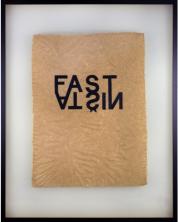
The more or less comprehensible text in the Mirror series came about by mixing
letters or syllables of a word (Dosta/Enough, Fast/Ništa). The introduction of the
English language equivalent to the appropriate Serbian word is the result of her
bilingual professional environment, and the influence (or “supporter”) is Jenny Holzer
and her postmodernist research of word and idea manipulation in a public space. The
word “Dosta”, meaning “enough” can refer to a degree (of material, light…), but it
also represents, as Svetlana points out, her personal “mantra”, that is “an attempt to
slow down the franticly fast rhythm of my life that I don’t enjoy”. In that sense
“dosta” stops being the benign adverb of degree and becomes a politicized statement
used to shape the temporary space of “freedom” and, consequently, the position of
Svetlana’s work as a no-interest esthetic object becomes problematic. Furthermore,
the unconventional and arbitrary idea of connecting two concepts semantically, or
using the word “fast” as a translation of the word “ništa”, meaning “nothing”, (or
vice versa), can be interpreted as a poetic mood, but also as a postmodernist action
based on the belief that meanings are nothing more than moments in the arbitrary
game of those who assign meaning, or that writing/use of words is constant threading
of differences and movements which leads to a never-ending dissemination of
meaning. Finally, with the series Body Svetlana uses the history of her own body and
its specific existence as her theme; namely the painful theme of the body being
limited by the effects of a traffic accident and, generally the process of aging. These
pieces are something similar to autobiographic notes that originated from the work of
the body itself, and with them Svetlana articulates an esthetic approach based on the
action of separating that which is corporal from the ideal, empiric from notional, the
oppression of the inability from the resistance to the possible alternatives.
Therefore, Svetlana is documenting her life in a very discreet and currently relatively
abandoned way, due to the influence of new media challenges, and in that way she is
defining her position as an artist. That ‘vintage’ approach has the potential not
expected from the retro-approach: it’s based on strong critical reflection on living
conditions that change so rapidly that the society is not able to consolidate them into
habits and routines. In that regard, perhaps Luce Irigaray is right when she says:
“Being a year older would mean being a little further on the way to one’s future
becoming”.
Jasmina Cubrilo
Svetlana Glid herself are grouped according to three themes: Breathing, Mirror and
Body, and represent the continuation of the exploration of the artistic possibilities of
hand-made paper that began with the 2004 exhibition entitled Equivalents. The new
pieces came about gradually, during the past years, and the tempo and length of time
needed for their creations were determined by the discrepancy between the tempo
and time of different life circumstances, shaped by the effects of political, economic
and social forces or flow of capital, information, goods and services. That discrepancy
in Svetlana’s work received a political dimension (if we, that is, accept the idea that
there isn’t a human action or motion that is not at the same time a political act); it is
determined by the difference between life and art, that which is everyday life and
that which is esthetic, conceptualizing the latter as the point of opposition, non-
compliance, resistance against the “tyranny” of the former. Svetlana creates art in
the traditional sense precisely in the circumstances in which that type of art in the
public domain is generally marginalized by life, practice, documents, new
technologies, theory, culture of creating spectacles…
Her pieces are esthetic objects which in the circumstances of contemporary “liquid
modernity” (Zygmunt Bauman) recycle the example from the early modernist
tradition (Matisse) which generally created a theme out of contradictory and also
unpredictable, fast changing experiences of early modernity by exploring new formal
solutions appropriate for the representation of those experiences. Svetlana takes
Matisse's concept of the 'decorative’, deterritorializes it through the motif and the
artistic solution offered by Hokusai in his woodblock print The Great Wave off
Kanagawa (1823-1829) and reshapes it to meet her intent to include in her pieces
enjoyment (and nausea) of the escapist experience, beyond and contrary to a daily
routine. At the same time, even though she tackles the questions of tempo, light, and
absence of color in her pieces created on or using paper differently, these questions
are the direct continuation of that which makes Svetlana’s daily professional life
since she teaches the students in an international school the elements of art. The
series Breathing came about in that context, the context of the relationship between
real spaces (the classroom, this city, these responsibilities, this climate) and ideal
spaces (the studio, some other cities, some other responsibilities, some other
climates), the time needed to create hand-made paper and time needed to
manipulate with industrially produced paper, the (un)availability of the amounts of
plants necessary for the creation of a specific amount of paper and the availability of
the industrially produced paper, the uncertain effects of the unstandardized and the
certainty of that which is standardized.
The more or less comprehensible text in the Mirror series came about by mixing
letters or syllables of a word (Dosta/Enough, Fast/Ništa). The introduction of the
English language equivalent to the appropriate Serbian word is the result of her
bilingual professional environment, and the influence (or “supporter”) is Jenny Holzer
and her postmodernist research of word and idea manipulation in a public space. The
word “Dosta”, meaning “enough” can refer to a degree (of material, light…), but it
also represents, as Svetlana points out, her personal “mantra”, that is “an attempt to
slow down the franticly fast rhythm of my life that I don’t enjoy”. In that sense
“dosta” stops being the benign adverb of degree and becomes a politicized statement
used to shape the temporary space of “freedom” and, consequently, the position of
Svetlana’s work as a no-interest esthetic object becomes problematic. Furthermore,
the unconventional and arbitrary idea of connecting two concepts semantically, or
using the word “fast” as a translation of the word “ništa”, meaning “nothing”, (or
vice versa), can be interpreted as a poetic mood, but also as a postmodernist action
based on the belief that meanings are nothing more than moments in the arbitrary
game of those who assign meaning, or that writing/use of words is constant threading
of differences and movements which leads to a never-ending dissemination of
meaning. Finally, with the series Body Svetlana uses the history of her own body and
its specific existence as her theme; namely the painful theme of the body being
limited by the effects of a traffic accident and, generally the process of aging. These
pieces are something similar to autobiographic notes that originated from the work of
the body itself, and with them Svetlana articulates an esthetic approach based on the
action of separating that which is corporal from the ideal, empiric from notional, the
oppression of the inability from the resistance to the possible alternatives.
Therefore, Svetlana is documenting her life in a very discreet and currently relatively
abandoned way, due to the influence of new media challenges, and in that way she is
defining her position as an artist. That ‘vintage’ approach has the potential not
expected from the retro-approach: it’s based on strong critical reflection on living
conditions that change so rapidly that the society is not able to consolidate them into
habits and routines. In that regard, perhaps Luce Irigaray is right when she says:
“Being a year older would mean being a little further on the way to one’s future
becoming”.
Jasmina Cubrilo
 Svetlana Glid herself are grouped according to three themes: Breathing, Mirror and
Body, and represent the continuation of the exploration of the artistic possibilities of
hand-made paper that began with the 2004 exhibition entitled Equivalents. The new
pieces came about gradually, during the past years, and the tempo and length of time
needed for their creations were determined by the discrepancy between the tempo
and time of different life circumstances, shaped by the effects of political, economic
and social forces or flow of capital, information, goods and services. That discrepancy
in Svetlana’s work received a political dimension (if we, that is, accept the idea that
there isn’t a human action or motion that is not at the same time a political act); it is
determined by the difference between life and art, that which is everyday life and
that which is esthetic, conceptualizing the latter as the point of opposition, non-
compliance, resistance against the “tyranny” of the former. Svetlana creates art in
the traditional sense precisely in the circumstances in which that type of art in the
public domain is generally marginalized by life, practice, documents, new
technologies, theory, culture of creating spectacles…
Her pieces are esthetic objects which in the circumstances of contemporary “liquid
modernity” (Zygmunt Bauman) recycle the example from the early modernist
tradition (Matisse) which generally created a theme out of contradictory and also
unpredictable, fast changing experiences of early modernity by exploring new formal
solutions appropriate for the representation of those experiences. Svetlana takes
Matisse's concept of the 'decorative’, deterritorializes it through the motif and the
artistic solution offered by Hokusai in his woodblock print The Great Wave off
Kanagawa (1823-1829) and reshapes it to meet her intent to include in her pieces
enjoyment (and nausea) of the escapist experience, beyond and contrary to a daily
routine. At the same time, even though she tackles the questions of tempo, light, and
absence of color in her pieces created on or using paper differently, these questions
are the direct continuation of that which makes Svetlana’s daily professional life
since she teaches the students in an international school the elements of art. The
series Breathing came about in that context, the context of the relationship between
real spaces (the classroom, this city, these responsibilities, this climate) and ideal
spaces (the studio, some other cities, some other responsibilities, some other
climates), the time needed to create hand-made paper and time needed to
manipulate with industrially produced paper, the (un)availability of the amounts of
plants necessary for the creation of a specific amount of paper and the availability of
the industrially produced paper, the uncertain effects of the unstandardized and the
certainty of that which is standardized.
The more or less comprehensible text in the Mirror series came about by mixing
letters or syllables of a word (Dosta/Enough, Fast/Ništa). The introduction of the
English language equivalent to the appropriate Serbian word is the result of her
bilingual professional environment, and the influence (or “supporter”) is Jenny Holzer
and her postmodernist research of word and idea manipulation in a public space. The
word “Dosta”, meaning “enough” can refer to a degree (of material, light…), but it
also represents, as Svetlana points out, her personal “mantra”, that is “an attempt to
slow down the franticly fast rhythm of my life that I don’t enjoy”. In that sense
“dosta” stops being the benign adverb of degree and becomes a politicized statement
used to shape the temporary space of “freedom” and, consequently, the position of
Svetlana’s work as a no-interest esthetic object becomes problematic. Furthermore,
the unconventional and arbitrary idea of connecting two concepts semantically, or
using the word “fast” as a translation of the word “ništa”, meaning “nothing”, (or
vice versa), can be interpreted as a poetic mood, but also as a postmodernist action
based on the belief that meanings are nothing more than moments in the arbitrary
game of those who assign meaning, or that writing/use of words is constant threading
of differences and movements which leads to a never-ending dissemination of
meaning. Finally, with the series Body Svetlana uses the history of her own body and
its specific existence as her theme; namely the painful theme of the body being
limited by the effects of a traffic accident and, generally the process of aging. These
pieces are something similar to autobiographic notes that originated from the work of
the body itself, and with them Svetlana articulates an esthetic approach based on the
action of separating that which is corporal from the ideal, empiric from notional, the
oppression of the inability from the resistance to the possible alternatives.
Therefore, Svetlana is documenting her life in a very discreet and currently relatively
abandoned way, due to the influence of new media challenges, and in that way she is
defining her position as an artist. That ‘vintage’ approach has the potential not
expected from the retro-approach: it’s based on strong critical reflection on living
conditions that change so rapidly that the society is not able to consolidate them into
habits and routines. In that regard, perhaps Luce Irigaray is right when she says:
“Being a year older would mean being a little further on the way to one’s future
becoming”.
Jasmina Cubrilo
Svetlana Glid herself are grouped according to three themes: Breathing, Mirror and
Body, and represent the continuation of the exploration of the artistic possibilities of
hand-made paper that began with the 2004 exhibition entitled Equivalents. The new
pieces came about gradually, during the past years, and the tempo and length of time
needed for their creations were determined by the discrepancy between the tempo
and time of different life circumstances, shaped by the effects of political, economic
and social forces or flow of capital, information, goods and services. That discrepancy
in Svetlana’s work received a political dimension (if we, that is, accept the idea that
there isn’t a human action or motion that is not at the same time a political act); it is
determined by the difference between life and art, that which is everyday life and
that which is esthetic, conceptualizing the latter as the point of opposition, non-
compliance, resistance against the “tyranny” of the former. Svetlana creates art in
the traditional sense precisely in the circumstances in which that type of art in the
public domain is generally marginalized by life, practice, documents, new
technologies, theory, culture of creating spectacles…
Her pieces are esthetic objects which in the circumstances of contemporary “liquid
modernity” (Zygmunt Bauman) recycle the example from the early modernist
tradition (Matisse) which generally created a theme out of contradictory and also
unpredictable, fast changing experiences of early modernity by exploring new formal
solutions appropriate for the representation of those experiences. Svetlana takes
Matisse's concept of the 'decorative’, deterritorializes it through the motif and the
artistic solution offered by Hokusai in his woodblock print The Great Wave off
Kanagawa (1823-1829) and reshapes it to meet her intent to include in her pieces
enjoyment (and nausea) of the escapist experience, beyond and contrary to a daily
routine. At the same time, even though she tackles the questions of tempo, light, and
absence of color in her pieces created on or using paper differently, these questions
are the direct continuation of that which makes Svetlana’s daily professional life
since she teaches the students in an international school the elements of art. The
series Breathing came about in that context, the context of the relationship between
real spaces (the classroom, this city, these responsibilities, this climate) and ideal
spaces (the studio, some other cities, some other responsibilities, some other
climates), the time needed to create hand-made paper and time needed to
manipulate with industrially produced paper, the (un)availability of the amounts of
plants necessary for the creation of a specific amount of paper and the availability of
the industrially produced paper, the uncertain effects of the unstandardized and the
certainty of that which is standardized.
The more or less comprehensible text in the Mirror series came about by mixing
letters or syllables of a word (Dosta/Enough, Fast/Ništa). The introduction of the
English language equivalent to the appropriate Serbian word is the result of her
bilingual professional environment, and the influence (or “supporter”) is Jenny Holzer
and her postmodernist research of word and idea manipulation in a public space. The
word “Dosta”, meaning “enough” can refer to a degree (of material, light…), but it
also represents, as Svetlana points out, her personal “mantra”, that is “an attempt to
slow down the franticly fast rhythm of my life that I don’t enjoy”. In that sense
“dosta” stops being the benign adverb of degree and becomes a politicized statement
used to shape the temporary space of “freedom” and, consequently, the position of
Svetlana’s work as a no-interest esthetic object becomes problematic. Furthermore,
the unconventional and arbitrary idea of connecting two concepts semantically, or
using the word “fast” as a translation of the word “ništa”, meaning “nothing”, (or
vice versa), can be interpreted as a poetic mood, but also as a postmodernist action
based on the belief that meanings are nothing more than moments in the arbitrary
game of those who assign meaning, or that writing/use of words is constant threading
of differences and movements which leads to a never-ending dissemination of
meaning. Finally, with the series Body Svetlana uses the history of her own body and
its specific existence as her theme; namely the painful theme of the body being
limited by the effects of a traffic accident and, generally the process of aging. These
pieces are something similar to autobiographic notes that originated from the work of
the body itself, and with them Svetlana articulates an esthetic approach based on the
action of separating that which is corporal from the ideal, empiric from notional, the
oppression of the inability from the resistance to the possible alternatives.
Therefore, Svetlana is documenting her life in a very discreet and currently relatively
abandoned way, due to the influence of new media challenges, and in that way she is
defining her position as an artist. That ‘vintage’ approach has the potential not
expected from the retro-approach: it’s based on strong critical reflection on living
conditions that change so rapidly that the society is not able to consolidate them into
habits and routines. In that regard, perhaps Luce Irigaray is right when she says:
“Being a year older would mean being a little further on the way to one’s future
becoming”.
Jasmina Cubrilo
